
Why top engineering teams choose PVcase over Helios 3D
Trusted by:







Scenario generation & iteration
Yes
No
Electrical design automation
Yes
No
Intuitive interface
Yes
No
BESS workflow integration
Yes
No
End-to-end solar development platform
Yes
No
For teams that need more than a site shortlist
.png)
.png)

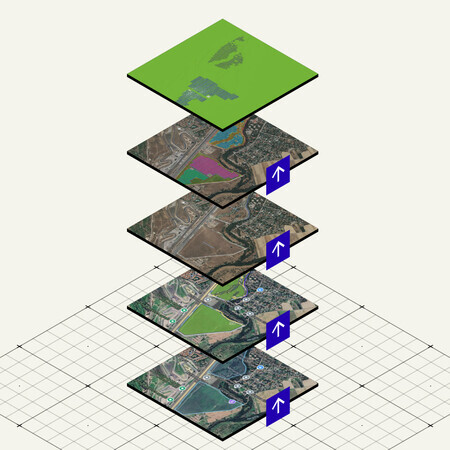
Easily generate and compare multiple layout scenarios—to accelerate trade-off analysis and decision-making. Leverage an agile, iterative engineering workflow with significantly less manual rework to maximize your engineering throughput.
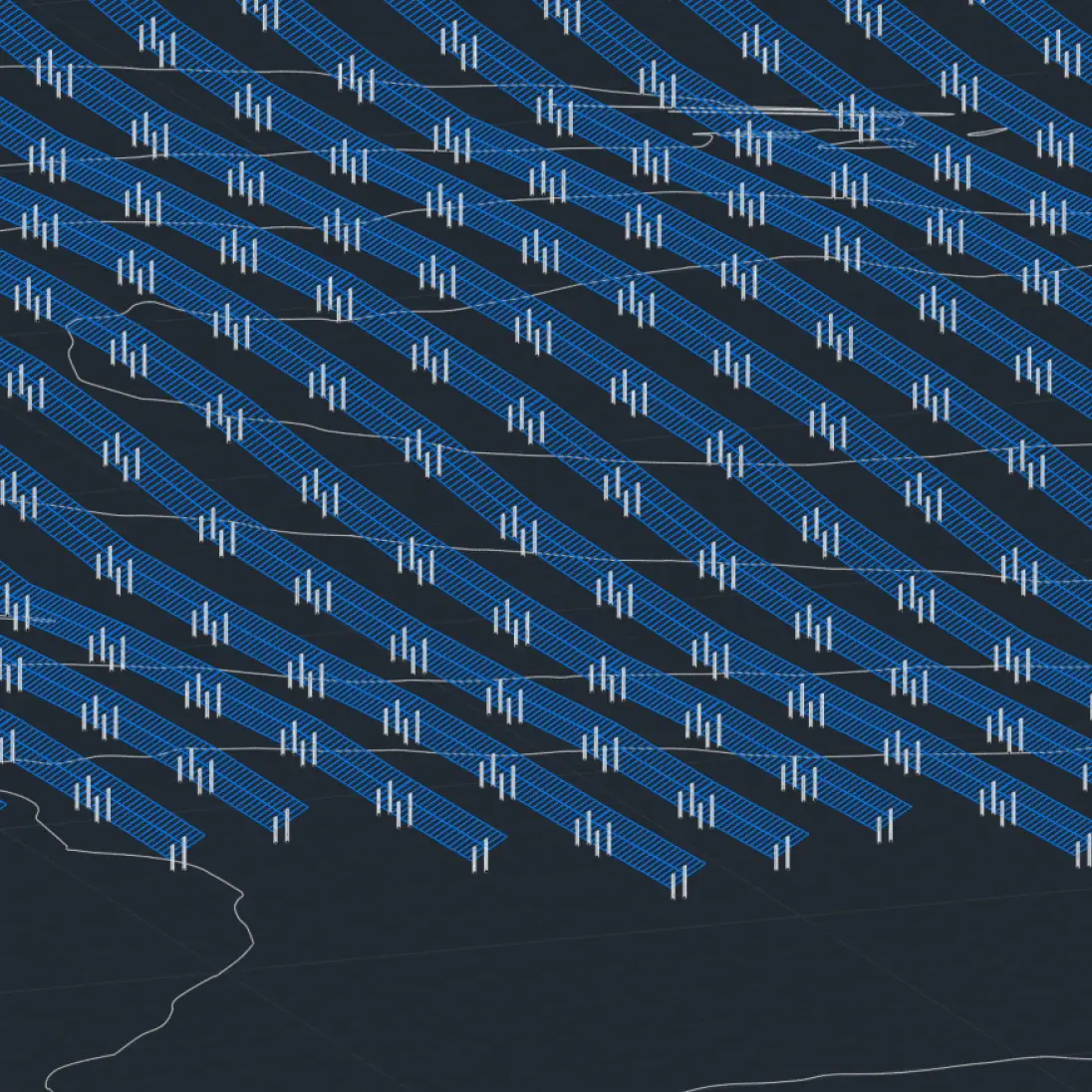
Work with fully automated preliminary electrical workflows and maintain highly standardized, reliable outputs across your entire design team.
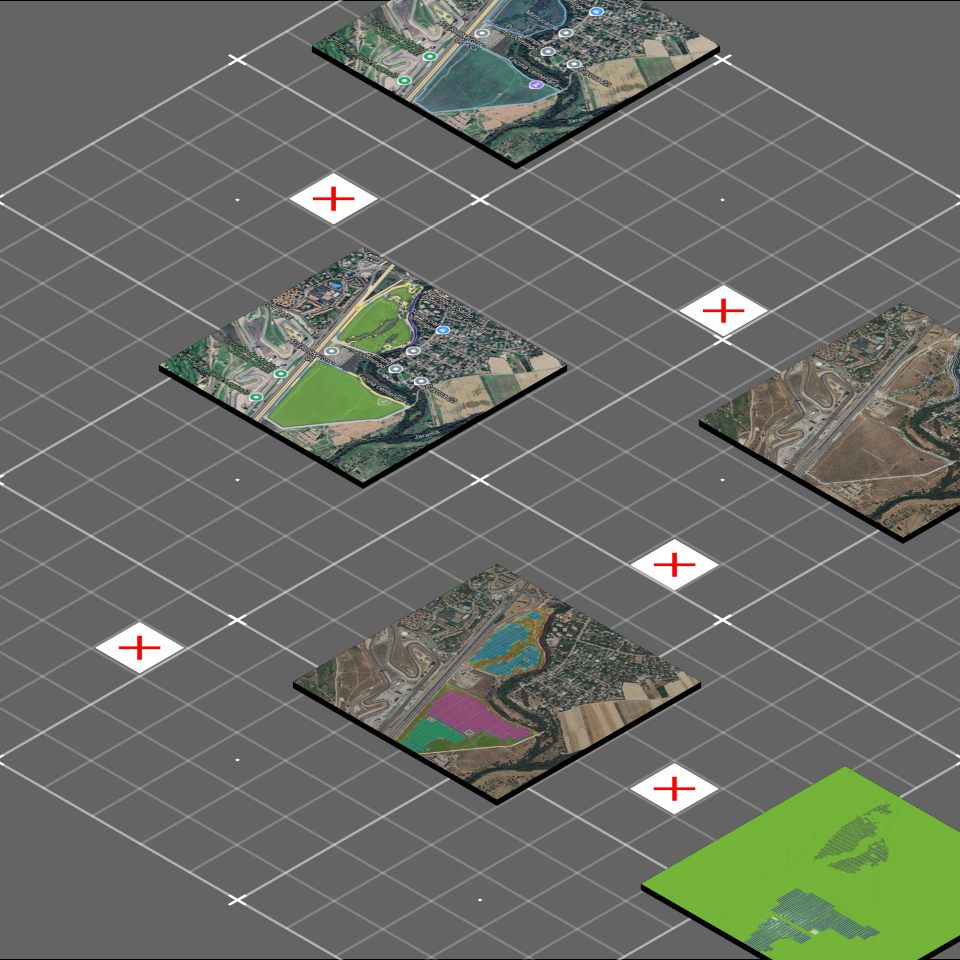
From initial site development through to bankable-grade yield simulation. Minimize handoff friction, reduce manual format conversions, and eliminate rework leveraging the leading end-to-end solar design software.
Client experience

PVcase is the recognized leader in site selection, posting high customer satisfaction scores on G2, a top software review platform.
The results speak for themselves:
 |
 |
While switching platforms raises reasonable concerns about team downtime, PVcase Ground Mount’s intuitive UI significantly reduces onboarding time compared to legacy tools.
Additionally, PVcase Ground Mount’s automated workflows and integration with site selection and yield simulation platforms ensure data integrity and accelerate project development — outcomes that Helios 3D’s disconnected, manual drafting processes simply cannot deliver.
To review a complete side-by-side workflow evaluation, read our technical comparison of PVcase Ground Mount and Helios 3D.
Unlike Helios 3D, which requires manual redrafting whenever target megawatt capacity, module density, or slope boundaries change, PVcase Ground Mount uses automation to generate and compare multiple layout variations in minutes. This enables engineers to instantly adjust shading thresholds, tracker configurations, and ground coverage ratios to evaluate commercial trade-offs before committing to a final site layout.
To watch a live demonstration of scenario iteration in action, register for our webinar on PVcase Ground Mount Capacity Iteration.
In utility-scale solar development, passing design data between fragmented tool stacks introduces silent file translation errors, mismatched engineering assumptions, and data drop-off. Unifying layout generation, site selection, and yield modeling within a connected platform eliminates this hidden rework tax and preserves data integrity across the entire project lifecycle.
To learn how leading developers identify and mitigate these risks, watch our webinar on understanding and eliminating data risk in renewable projects.
